Why Mangroves Matter: The Unsung Guardians of Our Coastlines
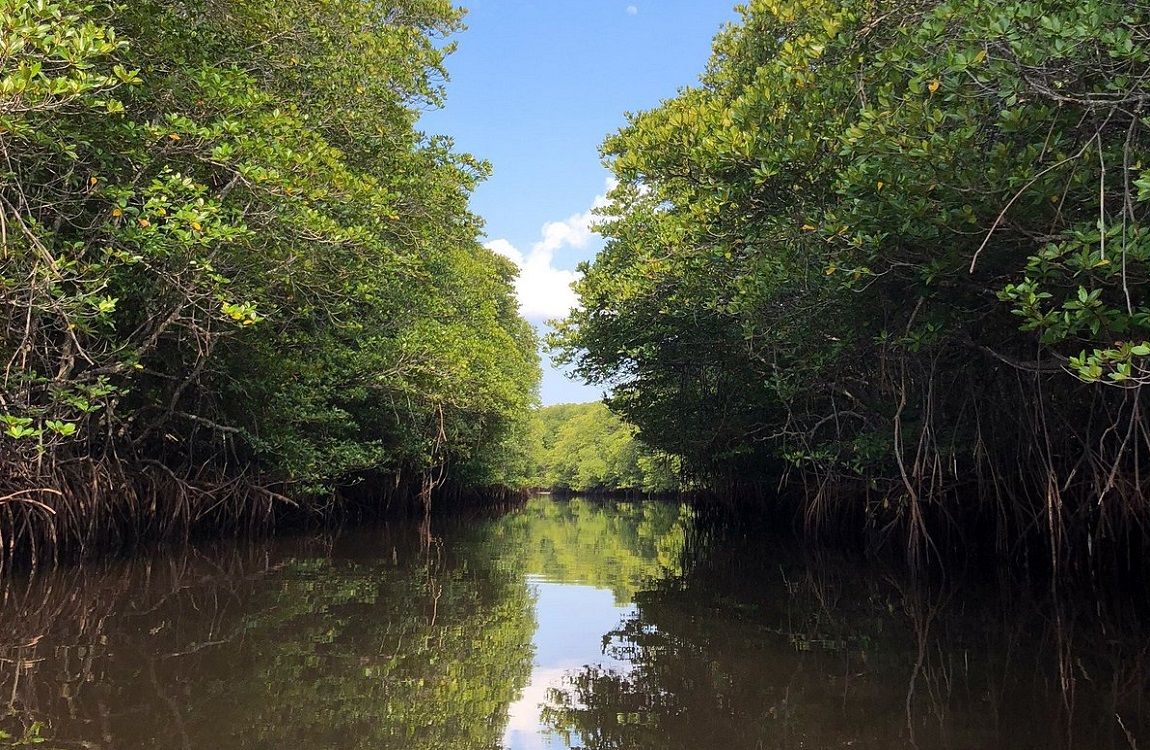
When most people think about forests, they imagine tall trees on mountains or rainforests buzzing with life. Yet, one of the most vital forests on Earth grows right where the land meets the sea — the mangroves. These tangled, salt-tolerant trees may look messy at first glance, but they are powerful defenders of both nature and humanity.
Nature’s Coastal Shield
Mangroves act as natural barriers against storms, waves, and erosion. Their dense roots absorb the force of incoming tides and winds, protecting coastal villages and cities from flooding and storm surges. During cyclones or tsunamis, areas with intact mangrove forests often suffer far less damage than those without.
Think of them as green seawalls that grow stronger over time — no concrete required.
Nurseries of the Sea
The roots of mangroves create a safe haven for countless species. Juvenile fish, crabs, and shrimp find shelter here before venturing into the open ocean. Without mangroves, many of the fish we depend on for food would never reach maturity.
In simple terms, healthy mangroves mean healthier oceans — and better livelihoods for coastal communities that depend on fishing.
Silent Climate Warriors
Mangroves store up to five times more carbon per hectare than tropical rainforests. They do this by trapping organic material in their waterlogged soils, locking away carbon for centuries. This makes them one of the most effective natural tools in our fight against climate change.
Destroying mangroves, however, releases this trapped carbon back into the atmosphere — a double loss for the planet.
A Home for Rare Life
From migratory birds to mudskippers that walk on land, mangroves are bursting with life. They host species that exist nowhere else and play a key role in maintaining biodiversity along tropical coasts. In Indonesia, mangroves are even home to endangered species like the proboscis monkey and saltwater crocodile.
Supporting People and Culture
Beyond ecology, mangroves sustain millions of people. They provide wood, honey, medicine, and even eco-tourism opportunities. In some coastal villages, mangrove replanting has revived not only ecosystems but also community pride and local economies.
The Call to Protect
Despite their importance, mangroves are disappearing three to five times faster than other forests due to aquaculture, land reclamation, and pollution. Once lost, they’re incredibly hard to bring back.
Protecting them isn’t just an environmental duty — it’s an investment in resilience, for both people and the planet.
In short: Mangroves are more than just trees in muddy water — they are life-support systems.
By preserving and restoring them, we safeguard our coasts, our climate, and our collective future.